
Technical capability

Web design and UI systems

Design systems built on tokens, with explicit composition rules. Interfaces designed for the real density of operational information, not for generic visual effects shown in a Figma file.

Web design process
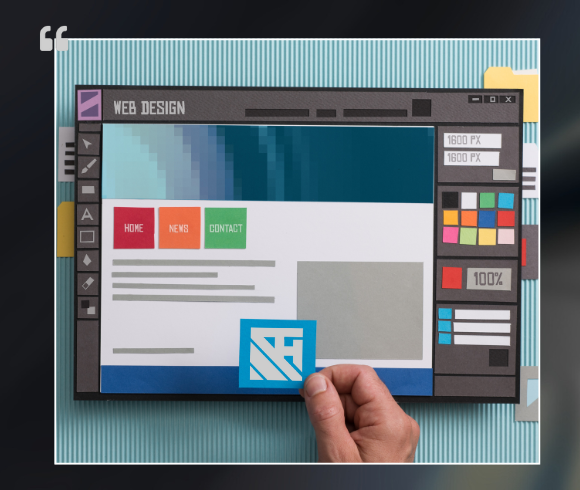
Specimen 01Web design process
Typology
Design system
Engagement
Design + development handover
Format
Design sprint + iteration
Horizon
2–6 weeks

Who this capability is for.

Product teams that have outgrown ad-hoc design in Figma and need a coherent system: tokens, components, explicit composition rules. Typically clients with SaaS products, operational dashboards or complex enterprise applications that require high information density and visual consistency across hundreds of screens.

How we work, in practice.

We start from the inventory of existing components and from the real use cases, not from showcase pages. We define the tokens (color, spacing, typography, elevation) as the foundational layer, then compose the components. Living documentation is part of the deliverable, not a later addition. Each component covers every state: default, hover, focus-visible, active, disabled, loading, error.

Technologies used in production.

  1. 01Figma · published libraries
  2. 02Token Studio (token sync)
  3. 03Tailwind v4 · @theme tokens
  4. 04Storybook (optional, for complex products)
  5. 05Verified WCAG AA compliance
  6. 06Lucide / Phosphor (iconography)

What the client gets at the end.

  1. D.01Figma library

    Components, tokens, patterns, published as a library in the client's workspace.

  2. D.02Exported tokens

    JSON, CSS variables and a Tailwind config, synced automatically between design and code.

  3. D.03Code components

    React + Tailwind, WCAG AA accessible, with every state covered and tested.

  4. D.04Documentation

    Composition rules, do/don't, usage examples per component, delivered in the repo.

Questions that come up often.

  1. Q.01Do you work only in Figma or also directly in code?

    Both. The design exists in parallel in Figma and in code, synced through tokens. We do not believe in one-way handovers where the designer never sees the result in the browser.

  2. Q.02Does the design respect existing branding?

    Yes, where it exists. We work with branded systems (Rossmann, dm, Heinemann as visual references) or build systems of our own based on the client's identity. We do not impose a generic style.

  3. Q.03Do the components work with any framework?

    Tokens are agnostic, JSON or CSS variables, so they are usable in any stack. The code components are React + Tailwind, but can be ported to Vue or Svelte without major effort if the project calls for it.

  4. Q.04How granular is the token system?

    Two levels: primitive tokens (raw colors, raw spacing, type scales) and semantic tokens (--surface-page, --text-primary, --intent-error). Components consume only semantic tokens, never raw values.

Have a requirement in this area?

We start with a technical discussion led by a principal engineer, under a confidentiality agreement.